

List of Laboratories and Faculty Members
Department of Advanced Interdisciplinary Science
Professor
Professor Atsushi Akisawa
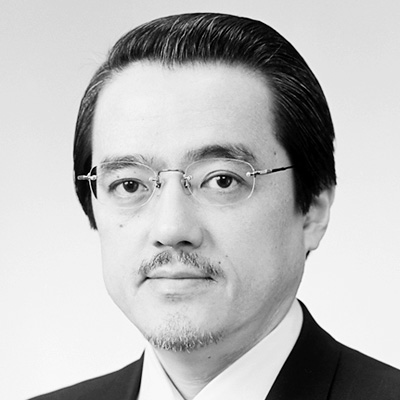
| Degree | Doctor of Engineering |
|---|---|
| Research Field | Energy Systems Analysis |
| Research Topics | Energy Systems Engineering, Thermal Energy Conversion |
| akisawa (insert @ here) cc.tuat.ac.jp |
Energy and resources are limited, so we need to use them as efficiently as possible from a long-term perspective, such as in the case of global warming. At the same time, various energy technologies are being developed, and energy policies, such as market deregulation, are also changing dramatically. Systems analysis is a research method that clarifies the most desirable state under such a variety of options and evaluates the impact of various external factors. In my laboratory, we use methods that use optimization models to conduct research on the evaluation of energy-saving technologies and policies based on multi-stage use of heat, such as cogeneration. We are also researching the application of heat-driven refrigeration cycles that can supply cold by effectively utilizing waste heat and solar heat.
Professor Takuji Arima
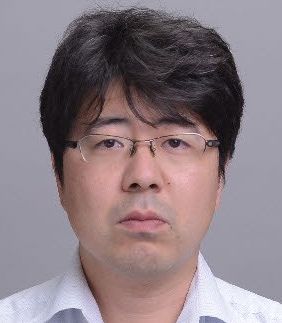
| Degree | Doctor of Engineering |
|---|---|
| Research Field | Electromagnetic Engineering |
| Research Topics | Simulation of electromagnetic waves, development of antennas, development of new media for electromagnetic waves, metamaterials |
| t-arima (insert @ here) cc.tuat.ac.jp |
In this laboratory, we conduct a wide range of research, from the basics to applications of electromagnetic waves, in order to realize a richer life using electromagnetic waves. As part of our basic research, we are developing simulation technology to reproduce the characteristics of electromagnetic waves in a computer. If we can accurately simulate electromagnetic waves, there will be no need for experiments, which will have great benefits in terms of cost and time. In addition, antennas are essential for efficiently emitting and receiving electromagnetic waves. We are also developing antennas using simulation technology. As part of our applied research, we are developing structures that exhibit characteristics that do not exist in nature for electromagnetic waves. Until now, the size of antennas and other devices has been determined by the wavelength of the electromagnetic wave. We are also developing technology to release this constraint and place antennas more freely. In this way, our research is centered on electromagnetic wave simulation technology and we are conducting a wide range of research on electromagnetic waves, from low to high frequencies.
Professor Hiroshi Ishida
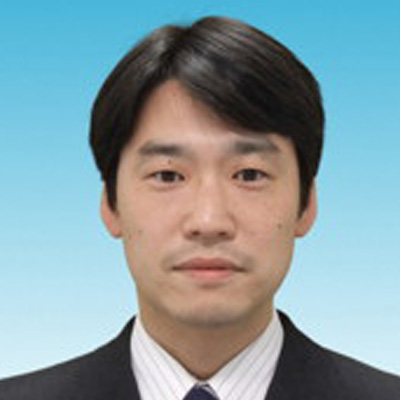
| Degree | Doctor of Engineering |
|---|---|
| Research Field | Environmental Machinery Systems |
| Research Topics | Robotics, sensors, olfaction, virtual reality |
| h_ishida (insert @ here) cc.tuat.ac.jp |
Male moths can track the scent of sex pheromones from afar to find females. Crabs and crayfish use their keen sense of smell to find food in the dark bottom of oceans and lakes. My laboratory has developed the world's first robot that mimics the behavior of creatures that track scents and can pinpoint the source of odors and gases. We are developing various robotic olfactory sensing systems with the aim of applications such as gas leak detection and dangerous material detection. We are also working on developing technology to reproduce sensed olfactory information on a virtual reality system. We are promoting research and education in collaboration with overseas laboratories in related fields.
Professor Kentaro Iwami
| Degree | Doctor of Engineering |
|---|---|
| Research Field | Ambient Light System |
| Research Topics | Nano/micro systems, MEMS, NEMS, optical engineering, optical elements |
| k_iwami (insert @ here) cc.tuat.ac.jp |
By processing materials on a scale smaller than the wavelength of light, it becomes possible to freely control their refractive index. Materials created in this way are called metamaterials, and they are able to transform the state of light in a variety of ways, bringing out new functions. In our laboratory, we are researching the application of precisely designed metamaterials to ultra-thin, high-performance lenses, three-dimensional imaging technology (holography), microsensors, and more. By realizing these applications, we aim to bring about disruptive innovation in a wide range of fields, from quantum technology to analysis and measurement, and bio-applications.
Professor Taishi Umezawa
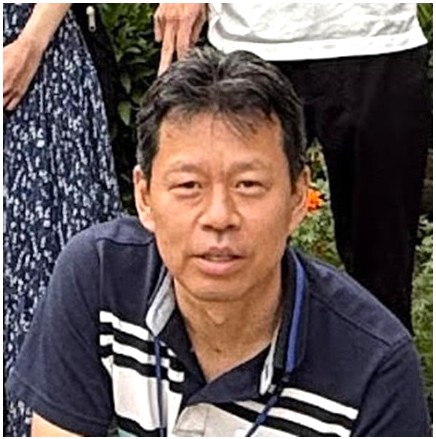
| Degree | Ph.D. (Agriculture) |
|---|---|
| Research Field | Biological Response Control Science |
| Research Topics | Plant molecular biology, biochemistry |
| taishi (insert @ here) cc.tuat.ac.jp |
Global environmental problems such as global warming and droughts are affecting agricultural production around the world. For future sustainable food production, it is necessary to develop crops that can withstand environmental changes. In our laboratory, we are studying the basic mechanisms of how plants sense environmental changes and how they process that information. Our goal is to understand the phenomenon at the gene and protein levels in plant cells and to elucidate the signal transduction mechanism. While conducting such basic research, we also attempt to apply the results to create environmentally resistant plants. As research materials, we plan to use mainly the model plant Arabidopsis thaliana, as well as rice and legume crops.
Professor Wuled Lenggoro
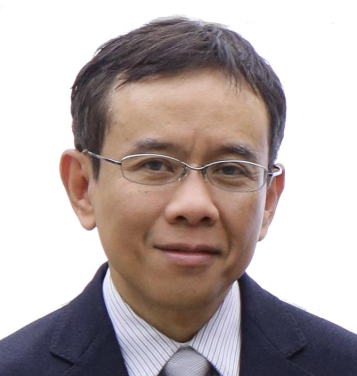
| Degree | Doctor of Engineering |
|---|---|
| Research Field | Particle engineering, transport phenomenology |
| Research Topics | Material, fluid and heat transfer phenomena, environmental measurement technology, biological system applications |
| lenggoro (insert @ here) cc.tuat.ac.jp |
We aim to contribute to the conservation of natural resources, food production, and ecosystems. Our research intersects the different fields of particle engineering, material, fluid, and heat transfer, chemical processes, and biological systems. We consider the movement of particles at the micro level, and the movement of matter and energy at various scales, including global climate change, at the macro level. We also develop research inspired by biological systems and apply them to engineering. Examples of doctoral research themes include biomaterials creation, particle transport in plants, heat and fluid transfer in porous media, and functional thin film formation by aerosols. In terms of education, we train people who can tackle complex problems from an international and interdisciplinary perspective.
Professor Kenji Ogino
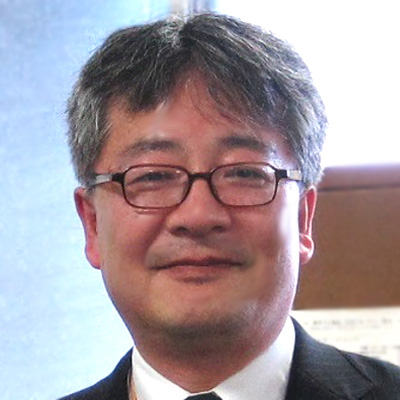
| Degree | Doctor of Engineering |
|---|---|
| Research Field | Material Function Design |
| Research Topics | Organic Materials Science |
| kogino (insert @ here) cc.tuat.ac.jp |
The construction of an artificial photosynthetic system is one of the big dreams of material scientists. Not only photosynthetic systems, but living organisms also use self-organizing techniques to organically arrange and connect units with various functions at the nano-size level, creating excellent systems that artificial systems cannot imitate. These are multifunctional, multiphase systems realized in nano-level spaces. In our laboratory, we are conducting research on nanostructural control of organic semiconductors in order to realize such excellent systems with artificial materials. Organic semiconductors are materials that can convert light into electricity through a process similar to photosynthesis and change the refractive index of materials when irradiated with light. In order to maximize their properties, "nanostructural control learned from living organisms" is essential. To achieve this, we design and synthesize multifunctional polymers such as block copolymers that self-organize to give nano-level periodic structures according to the purpose.
Professor Shinya Kajita
| Degree | Doctor of Agriculture |
|---|---|
| Research Field | Bioresource Science |
| Research Topics | Plant engineering, cell engineering |
| kajita (insert @ here) cc.tuat.ac.jp |
Plants cannot move around and change the environment they grow in like humans can, so they have evolved unique functions to respond to changes in the internal and external environment. They have unique morphogenetic functions and self-defense mechanisms, such as shaping an individual to suit its growth environment, responding to stress in poor growth environments, and defending against pests and diseases. By elucidating the mechanisms by which such plant-specific functions are expressed, we hope to find clues to solving the environmental and resource problems we face. In our laboratory, we analyze the diverse metabolic functions of plant cells and aim to develop new plants, such as plants that contribute to environmental purification and trees that contribute to the recycling of biomass.
Professor Satoshi Koyama
| Degree | Doctor (Veterinarian) |
|---|---|
| Research Field | Evolutionary ecology, ethology, veterinary ethology |
| Research Topics | Sociality, inter-individual interactions, symbiosis, problem behaviors, |
| skoyama (insert @ here) cc.tuat.ac.jp |
Social animals make decisions while interacting with other individuals. In many cases, the individuals that make up a society are not uniform, and the effects of interactions are asymmetric. Social insects are a model for analyzing the behavior of individuals in a society, since a clear caste system of breeding and worker individuals can be seen in a single nest. Therefore, our laboratory uses ants, a type of social insect, to conduct research focusing on what factors control the behavior of animals in a society and how they have evolved. In addition, interactions between individuals can also take place between different species. To analyze such relationships, we focus on problematic behaviors in pets and elucidate the relationships between pets and their owners that are related to that behavior.
Professor Kyosuke Shinohara
| Degree | Doctor of Engineering |
|---|---|
| Research Field | Cell Biology and Mouse Genetics |
| Research Topics | Molecular basis of mammalian motile cilia: Principle of how molecular chaperones break down amyloid fibrils that cause neurodegenerative diseases |
| k_shino (insert @ here) cc.tuat.ac.jp |
Professor Takeshi Suzuki
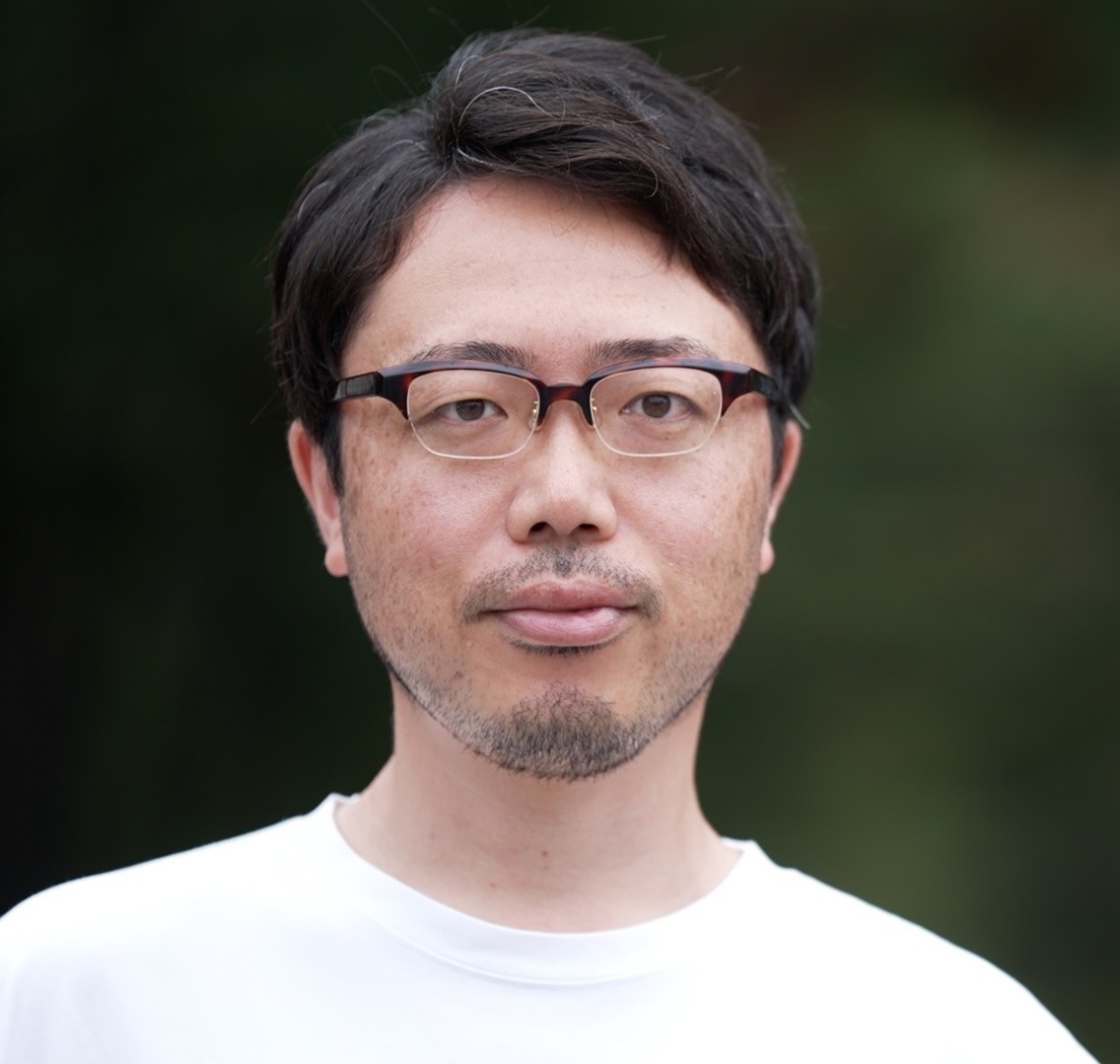
| Degree | Doctor of Agriculture |
|---|---|
| Research Field | Food Production Systems |
| Research Topics | Plant Acarology, Applied Entomology, Insect Physiology |
| tszk (insert @ here) cc.tuat.ac.jp |
My goal is to contribute to sustainable food production by unraveling the remarkable environmental adaptation mechanisms hidden in the small bodies of insects (mainly mites and insects). In particular, I am working to clarify what information insects acquire from complex environments, how they process it, and how they respond, ultimately leading to their thriving. Recent research topics include: 1) plant manipulation by spider mites; 2) chemical communication between plants, spider mites, and predatory mites; 3) predatory behavior of predatory mites; 4) chemical orientation behavior of acarid mites; 5) diapause and seasonal adaptation in mites and insects; 6) sleep and aging in insects; and 7) edible insect production systems. I am conducting both basic research to explore the weaknesses of pest and beneficial insects and applied research to exploit and care for their respective weaknesses.
Professor Qian Eika W.
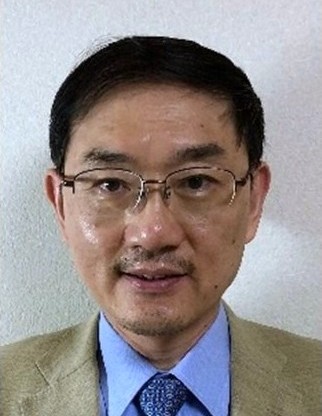
| Degree | Doctor of Engineering |
|---|---|
| Research Field | Material Function Application |
| Research Topics | Catalytic chemical engineering, hydrodesulfurization, petroleum refining, hydrogen production, biomass |
| whqian (insert @ here) cc.tuat.ac.jp |
Aiming to develop technologies for environmental conservation and the effective utilization of energy resources to create a recycling-oriented society, we are conducting research and development on catalysts and processes for the production of clean energy from fossil fuels such as natural gas, oil, and coal, the production of renewable energy and chemicals from biomass, a renewable resource, and the production of liquid fuels and useful chemicals from carbon dioxide, a greenhouse gas. Specifically, we are developing catalysts and processes for the hydro-upgrading of heavy oil to achieve high-efficiency utilization of petroleum resources, new technologies for the production of biofuels and biomaterials from biomass using catalysts and enzymes, and catalysts and processes for the production of clean energy and materials through the catalytic hydrogenation of carbon dioxide and the electrochemical reduction of carbon dioxide.
Professor Yoichi Tominaga
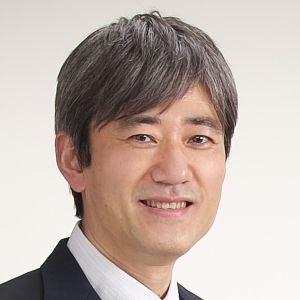
| Degree | Doctor of Engineering |
|---|---|
| Research Field | Material and Energy Design |
| Research Topics | Polymer functions, electrochemistry |
| ytominag (insert @ here) cc.tuat.ac.jp |
Instead of existing Li-ion secondary batteries that rely on electrolytes, attention is being focused on next-generation solid-state batteries that have less risk of ignition or explosion, are excellent in formability, and can be made thin and lightweight. In our laboratory, we are working on the creation of solid polymer electrolytes (SPEs) that can move ions as fast as electrolytes and gel electrolytes. If high ionic conductivity of SPEs can be achieved, it is expected that next-generation power sources such as bendable batteries and fuel cells that are independent of the operating environment will be put to practical use. In our laboratory, we aim to put new batteries using SPEs to practical use through the development of technologies to synthesize and combine new polymers, such as the effective use of carbon dioxide, combination with functional inorganic materials, and structure control by polymer blending, as well as technology to improve ionic conductivity.
Professor Koki Toyoda
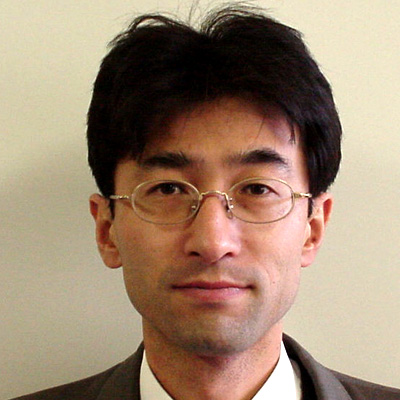
| Degree | Doctor of Agriculture |
|---|---|
| Research Field | Ecosystem |
| Research Topics | Soil microbiology, microbial ecology, biological control |
| kokit (insert @ here) cc.tuat.ac.jp |
The world's population is growing rapidly. In order to support the growing population, it is urgent to increase food production, and considering global environmental problems such as global warming and soil degradation, it is important to overcome this urgent issue in a sustainable manner. My ultimate goal is to establish and improve a sustainable agricultural production system, and I am very interested in the following. Since agricultural production involves exploitation, it is essential to apply some kind of organic matter such as compost to maintain sustainable agriculture. I would like to consider the soil with continuous organic matter application as a system, clarify the interactions between organisms including microorganisms such as bacteria, mold, and protozoa, and soil fauna, and consider the stability and productivity of the system from a microbial perspective.
Professor Yoshihiro Nakajima
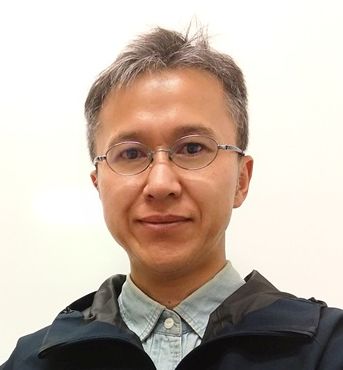
| Degree | Doctor of Philosophy in Science |
|---|---|
| Research Field | Atmospheric Chemistry |
| Research Topics | Air pollution, photochemical oxidants, greenhouse gases |
| nakasima (insert @ here) cc.tuat.ac.jp |
In atmospheric environmental problems such as photochemical oxidants and global warming, it is important to understand the emissions, chemical reaction processes, and disappearance processes of atmospheric trace components. The causes of atmospheric trace components are varied, including human activities, biological activities, and natural phenomena. In addition, it is necessary to understand chemical reaction processes, such as photochemical reactions that use sunlight as an energy source, unnecessary dark reactions, and heterogeneous reactions that occur on surfaces or in droplets.
Our laboratory mainly focuses on atmospheric trace components that are considered important in the generation of photochemical oxidants, and evaluates the emissions of pollutants associated with biomass burning, such as field burning and forest fires. We also use sunlight to conduct long-term observations of greenhouse gases to clarify the factors behind fluctuations in greenhouse gas emissions in urban suburban areas. These studies require highly accurate measurements and analytical techniques. By incorporating the results obtained into modeling, we hope to be able to clarify the causes of atmospheric environmental problems and develop countermeasures.
Professor Kazuya Nakata
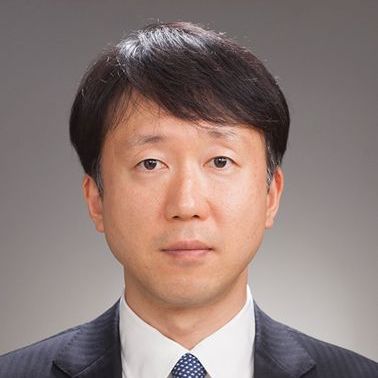
| Degree | Doctor of Philosophy in Science |
|---|---|
| Research Field | Functional Materials Science |
| Research Topics | Synthesis and Applications of Functional Materials |
| nakata (insert @ here) go.tuat.ac.jp |
Optical functional materials are useful in various situations, such as converting light energy into electrical energy and being used as sensors and filters. In our laboratory, we develop optical functional materials that convert light energy into chemical reaction energy, and conduct research into the removal of environmental pollutants and harmful microorganisms using the chemical reactions induced by these materials, as well as the creation of useful substances (solar chemicals) such as chemicals and medicines from common resources. We also use optical functional materials to develop environmental conservation and resource utilization technologies for living in a space environment. Our laboratory uses optical functional materials that can utilize the light energy that exists in unlimited quantities on Earth and in space to conduct basic and applied research that combines knowledge of chemistry and biology.
Professor Izumi Nishidate
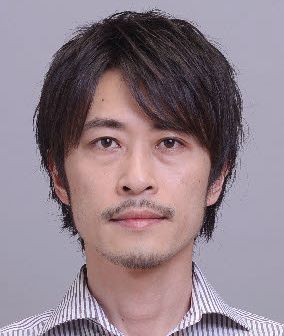
| Degree | Doctor of Engineering |
|---|---|
| Research Field | Biomedical Optics |
| Research Topics | Biofunctional spectroscopy, medical photonics |
| inishi (insert @ here) cc.tuat.ac.jp |
Our bodies are composed of many cells of different sizes and functions, and contain several pigment proteins essential for life activities, such as melanin and hemoglobin. For example, when light is irradiated onto the skin, some of the light enters the body and is scattered and absorbed by the cellular tissue and pigments. It is known that the interaction between the living body and light shows different spectroscopic characteristics depending on the tissue structure and the type and state of the pigment. In my laboratory, we are theoretically and experimentally investigating methods to non-invasively measure functional information of biological tissues by actively utilizing the spectroscopic characteristics of the living body.
In addition to food, energy, and environmental issues, global healthcare is also one of the important issues that must be addressed on a global scale for the survival of humankind. The remarkable progress in medical technology in recent years has saved many lives and contributed to extending healthy lifespans and improving quality of life. On the other hand, many people living in so-called "low-resource settings," such as low- and middle-income countries with scarce resources, conflict zones, places with no or unstable water and electricity supplies, and places far from hospitals with limited access to specialists, are unable to enjoy adequate medical services, and inequity exists in health and medical care. Based on biomedical optics, we are working to develop and commercialize low-cost, durable, safe, high-quality, and effective medical devices that can be used in "low-resource settings."
Professor Kaori Fujinami
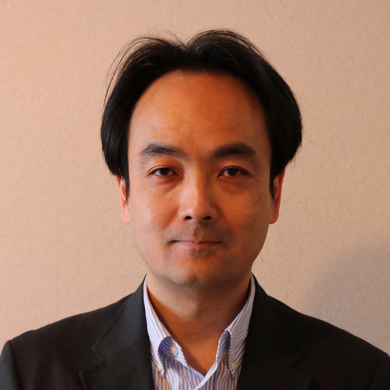
| Degree | PhD (Information Science) |
|---|---|
| Research Field | Media Information Studies |
| Research Topics | Ubiquitous computing, IoT, behavior recognition, intelligent user interface |
| fujinami (insert @ here) cc.tuat.ac.jp |
From smartphones to mirrors and toothbrushes, information processing, measurement, output, and communication functions are being embedded in everyday objects, making possible a world where the real world and the virtual world are fused (ubiquitous computing environment). In order to make such a world meaningful, our laboratory is working on the development of elemental technologies for input/output devices and information processing. For example, visibility estimation and presentation control technology for effective information presentation, state estimation technology for humans and animals using wearable sensors, and input/output interfaces for everyday objects are some of our research topics. We are also working on proposing advanced application systems aimed at generating added value and solving problems. Through the accumulation of research results, we are also working to establish system configuration and evaluation methods.
Professor Masaji Hotta
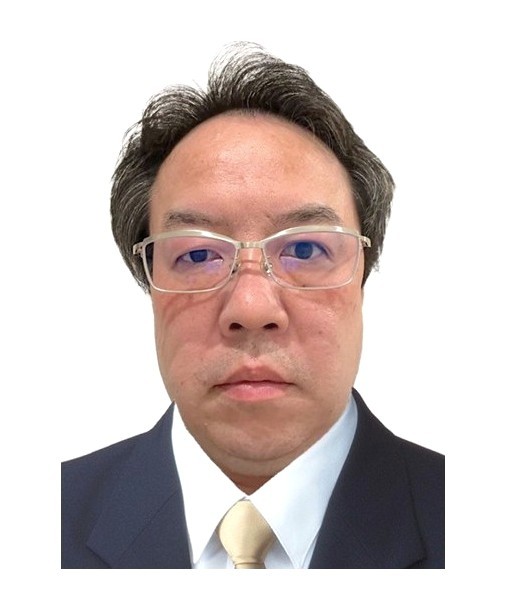
| Degree | Doctor of Engineering |
|---|---|
| Research Field | Pattern recognition, machine learning, and AI applications |
| Research Topics | Classifier design and theory, image and video search/recognition, task-specific AI and machine learning methods |
| s-hotta (insert @ here) cc.tuat.ac.jp |
Our laboratory conducts research across the theory and applications of pattern recognition and machine learning, focusing on the design of entropy-based recognition models, and the retrieval and understanding of images and videos.
We aim to realize practical AI that can function even with small amounts of data and under on-site constraints, focusing on robust algorithms that take advantage of data structures. Through interdisciplinary projects that include collaboration between engineering and agriculture, we will tackle everything from theory to implementation and evaluation.
Professor Ikuo Mizuuchi
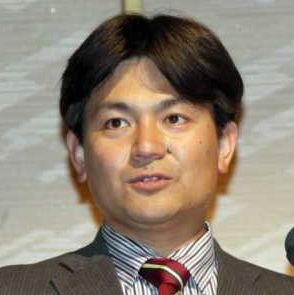
| Degree | Doctor of Engineering |
|---|---|
| Research Field | Robotics |
| Research Topics | Robot body structure, control, information processing, artificial intelligence, applications (home, kitchen, agriculture, dialogue, etc.) |
| mizuuchi (insert @ here) cc.tuat.ac.jp |
We are researching various types of robots. We are learning about humans, including the world's first musculoskeletal humanoid, and using that knowledge to create various robots. Learning from the structure of the human body, we are researching musculoskeletal robots, dynamic control that incorporates springs and rubber to exert explosive force, and the use of pneumatic artificial muscles. Learning from human control, we are researching the movement chains of multi-body systems and machine learning based on the process by which humans improve their piloting skills. Learning from human information processing, we are researching real-world recognition, tidying up, agricultural harvesting, artificial intelligence, and more. We are also learning from the workings of the human mind and conducting research on the relationship between robots and humans.
Professor Takashi Murakami
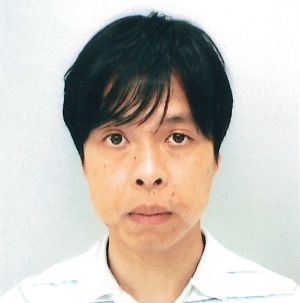
| Degree | Doctor of Engineering |
|---|---|
| Research Field | Crystal Engineering, Semiconductor Engineering |
| Research Topics | Wide band gap semiconductor crystal growth, materials development for energy-saving and energy-creating devices |
| faifai (insert @ here) cc.tuat.ac.jp |
We are conducting research and development on wide band gap semiconductor materials (GaN, Ga2O3, AlN, InGaN alloys, etc.) for next-generation and next-generation energy conversion devices, so-called power devices. We are exploring methods for growing high-purity, high-quality semiconductor crystals at high speeds by vapor phase epitaxy using metal chlorides as precursors, aiming to contribute to solving future energy problems and carbon neutrality. Specifically, we are promoting the efficient development and research of new semiconductor materials through predictions of crystal growth behavior based on thermodynamics, designing reaction tubes using fluid dynamics calculations, and constructing crystal growth equipment that embodies this and conducting growth experiments.
Professor Megumi Yamashita

| Degree | Doctor of Engineering |
|---|---|
| Research Field | Spatial Informatics |
| Research Topics | Regional spatial informatics, remote sensing, regional environmental monitoring |
| meguyama(insert @ here)cc.tuat.ac.jp |
Based on spatial information technology, we are engaged in multiscale observation and analysis targeting agriculture, forests, and local environments. By integrating precise ground observations, satellite remote sensing, and GIS, we grasp and model spatiotemporal variations in local environments to evaluate the impacts of climate change and environmental changes on food production, forest resources, and land and water use. Furthermore, in addition to visualizing and evaluating local issues, we are also working on supporting climate change-adapted smart agriculture and assessing the vulnerability and resilience of social-ecological systems. Focusing on the interaction between human activities and the natural environment, we aim to develop spatial information science that contributes to the realization of sustainable local communities where people and nature coexist by clarifying the vulnerability and resilience of regions to environmental changes and extreme weather events.
Associate Professor
Associate Professor Nobuyuki Akai
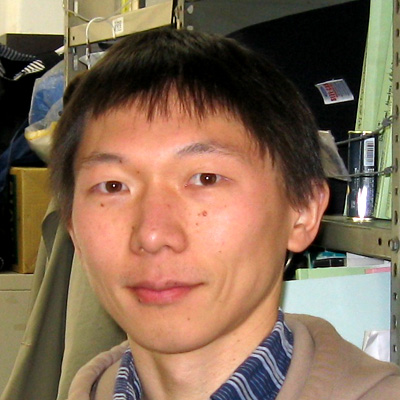
| Degree | Doctor of Philosophy |
|---|---|
| Research Field | Environmental Monitoring System |
| Research Topics | Vibrational spectroscopy, elementary reaction analysis |
| akain (insert @ here) cc.tuat.ac.jp |
In current geoenvironmental science, it is not enough to measure the concentration distribution of target molecules; it is also important to understand how molecules undergo chemical changes in the environment. Even the same molecule can show completely different reactivity in the atmosphere and in aqueous solution, and it is necessary to know the individual reaction mechanisms in order to build material circulation models. Therefore, we are using various spectroscopic and theoretical methods to study the photoreaction mechanisms of molecules and complexes under various environmental conditions, such as in the gas phase, which is a homogeneous medium, and in aerosols, ice, and aqueous solutions, which are heterogeneous media. We are also exploring new photoreaction pathways that depend on the difference in the geometric structure of clusters in which multiple molecules are associated.
Yohei Asada Associate Professor
| Degree | Doctor of Agriculture |
|---|---|
| Research Field | Hydraulics, Agricultural Water Resources |
| Research Topics | Agricultural irrigation systems, hydraulic analysis models, unsteady flow analysis |
| asada1994(insert @ here)go.tuat.ac.jp |
In order to make food production sustainable in a society where labor shortages are accelerating and abnormal weather such as droughts, torrential rains, and extreme heat is occurring, water management and facility management in agricultural irrigation systems must be appropriately customized for each case. To achieve this, our laboratory is developing highly accurate hydraulic analysis models of agricultural irrigation systems. By refining the models by understanding flow conditions using actual measurement data and clarifying the dynamics of flow through model experiments, and by using the developed models to predict the flow conditions and status of the entire system, it becomes possible to formulate optimal water management and facility management plans. Furthermore, we aim to speed up predictions by developing deep learning models using actual measurement data and simulation-generated data. In particular, we are focusing on water usage prediction and leak detection in pipelines.
Associate Professor Takashi Ikegami
| Degree | Doctor of Engineering |
|---|---|
| Research Field | Energy System Integration |
| Research Topics | Distributed energy management, renewable energy, power supply and demand control |
| iket (insert @ here) cc.tuat.ac.jp |
It is expected that renewable energy such as solar and wind power will be incorporated into the power system on a large scale. Since it is difficult to store large amounts of electrical energy, it is necessary to adjust the amount of power generation according to the amount of electricity used. However, if solar and wind power generation, whose power generation amount varies greatly due to weather conditions, becomes widespread, it will become difficult to operate the power system stably. In my laboratory, we are developing control methods for renewable energy generation suitable for the operation of the power system, and methods to control electricity consumption in homes, etc. We are also designing systems to incorporate such mechanisms into society and conducting research on system evaluation.
Associate Professor Sota Oshima
| Degree | Doctor of Engineering |
|---|---|
| Research Field | Mechanical Materials Science |
| Research Topics | Composite materials engineering, material strength engineering, adhesive bonding engineering, impact engineering |
| oshima (insert @ here) go.tuat.ac.jp |
For the safe operation of mechanical structures and the development of high-performance materials, it is necessary to understand the mechanism by which mechanical materials break. In this laboratory, we mainly focus on microscopic damage and destruction phenomena, and are working to develop real-time observation techniques for damage and destruction, which was previously considered difficult, to elucidate mechanisms based on the results of these experiments, and to build highly accurate simulation techniques. We are also working on developing analysis techniques for experimental data using image processing and machine learning techniques. In addition, we are working on developing recyclable material technology to realize a sustainable society.
Associate Professor Kanako Komiya
| Degree | Doctor of Engineering |
|---|---|
| Research Field | Natural Language Processing |
| Research Topics | Word sense disambiguation, information extraction, domain adaptation, transfer learning, etc. |
| kkomiya (insert @ here) go.tuat.ac.jp |
We use computers to study language. Technically, this is a research field called natural language processing, which is part of artificial intelligence research. We achieve this by using machine learning, a technology that allows computers to find patterns by feeding them large amounts of data (question sets) and solving new problems. In our lab, we are particularly focused on tasks such as understanding the meaning of words based on context and extracting desired information. In addition, when there is not much data in a certain field, we are researching how to create a system with low resource requirements and high accuracy by repurposing and combining knowledge from other related fields. For example, we are creating a system for blog data that uses newspaper data, and a system for classical Japanese that uses modern Japanese data.
Associate Professor Keisuke Shoji
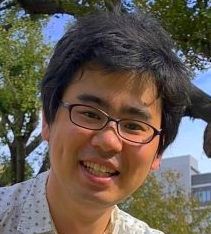
| Degree | Doctor of Agriculture |
|---|---|
| Research Field | Small RNA, epigenetics, bioinformatics |
| Research Topics | Elucidating the relationship with "non-self" through piRNA |
| kshoji (insert @ here) go.tuat.ac.jp |
In fact, about half of the genome, which is the blueprint of our organisms, is made up of virus-like DNA sequences called transposons. We are studying a mechanism called PIWI-interacting RNA (piRNA) that animals have acquired to suppress transposons. piRNAs have sequences that correspond to transposons and suppress the proliferation of transposons, which are "non-self" sequences present in the genome. piRNAs function in the gonads that contain germ cells that are passed on to the next generation, and piRNA dysfunction causes infertility. We are combining bioinformatics and molecular biology to investigate how piRNAs distinguish "non-self" and how they function with "non-self" other than transposons.
Shen Xun Associate Professor
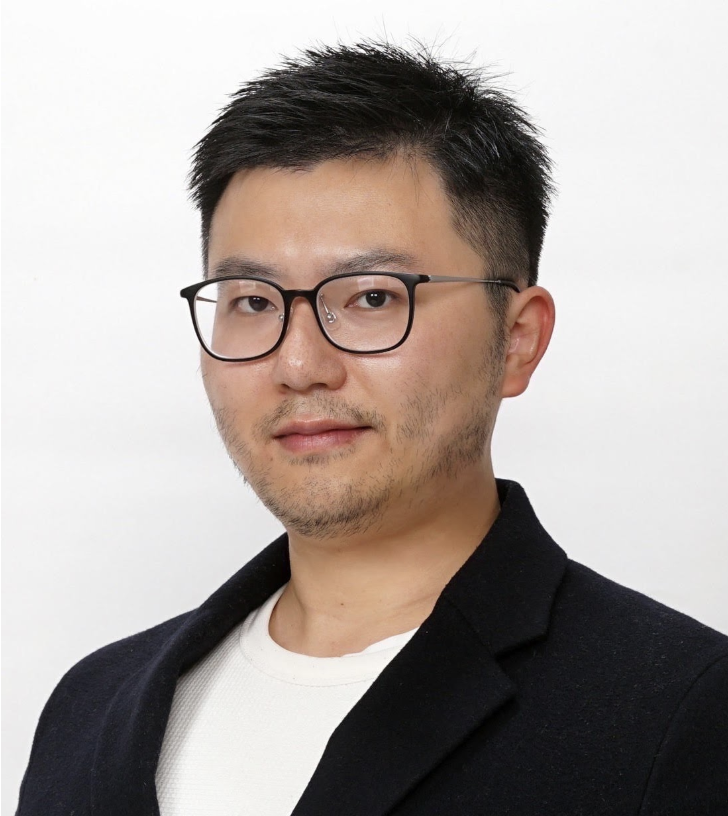
| Degree | Doctor of Engineering |
|---|---|
| Research Field | Machine learning, control engineering |
| Research Topics | Safe reinforcement learning, probabilistic model predictive control, Uncertainty quantification, human support |
| shen(insert @ here)go.tuat.ac.jp |
Our research focuses on machine learning and control engineering, aiming to develop data-driven modeling and decision-making methods that can be safely used in real-world environments. While data-driven methods can flexibly adapt to unknown situations, their performance can fluctuate due to learning uncertainties and environmental changes. Therefore, we aim to establish design principles for learning and control that are conscious of reliability and safety, while balancing theoretical guarantees with feasibility for implementation. Specifically, we are working on reliable and safe reinforcement learning, probabilistic model predictive control, snapshot data-driven control, and uncertainty quantification of predictive models, based on probability-constrained optimization. Applications include the development of individually tailored driver assistance and education for a super-aging society, ultra-early disease prediction and prevention, and health behavior support and care support systems, all of which contribute to the foundation of a preventive society.
Associate Professor Yasunori Suzuki
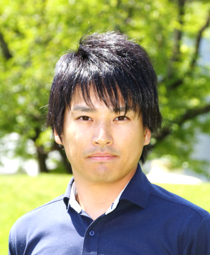
| Degree | Doctor of Veterinary Medicine |
|---|---|
| Research Field | Animal health, microbiology, bacteriology |
| Research Topics | Elucidation of the mechanism of bacterial pathogenesis and development of new preventive and therapeutic methods |
| ysuzuki (insert @ here) go.tuat.ac.jp |
Microorganisms that cause diseases are important in medical and veterinary medicine. Furthermore, much of the knowledge in life science has been gained from research on microorganisms, and microorganisms are indispensable research materials in many fields. In recent years, computational science techniques and bioinformatics, which processes large-scale information data, have become indispensable technologies for understanding the proliferation, mutation, pathogenicity, and infection dynamics of microorganisms. We are using bioinformatics, such as sequence analysis, structural analysis, and omics analysis, to elucidate the pathogenesis mechanisms of microorganisms, especially bacterial diseases, and to develop new preventive and therapeutic methods.
Coyomi Seto Associate Professor
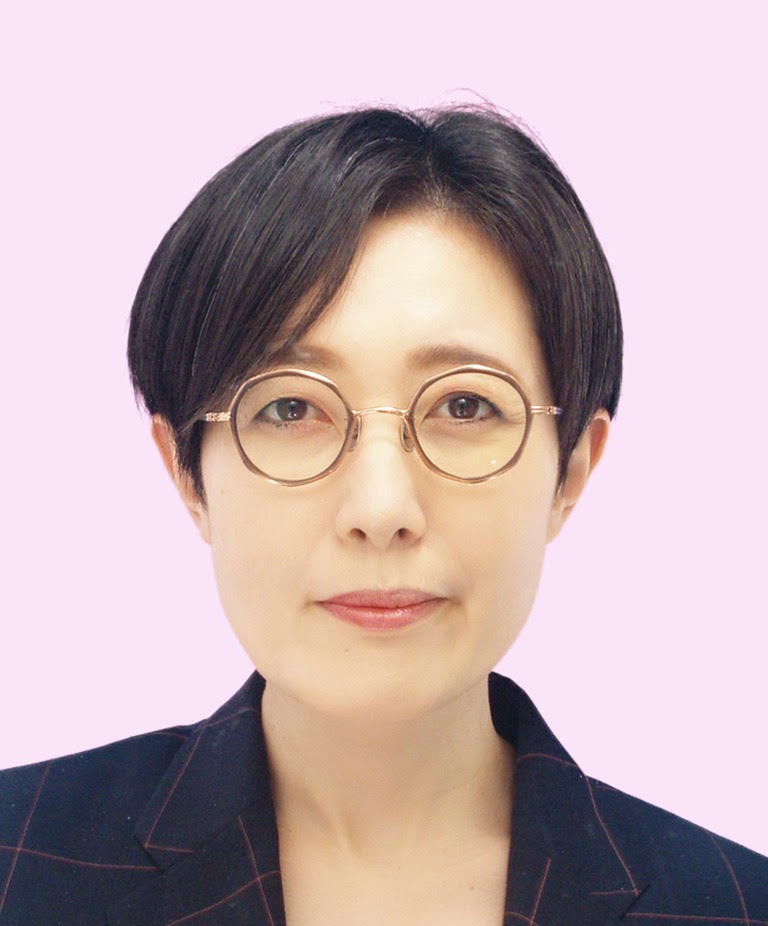
| Degree | Doctor of Philosophy in Science |
|---|---|
| Research Field | Systems microbiology |
| Research Topics | Microbial ecology, thermodynamics, mathematical biology, geochemistry |
| seto (insert @ here) go.tuat.ac.jp |
Our research aims to theoretically elucidate the behavior of microbial communities by understanding their metabolism as a system of chemical reactions and energy conversions. Microbial communities function as reaction networks in which diverse metabolic reactions are interconnected, and their structure and function are strongly dependent on energy balance and thermodynamic constraints. In this study, we are constructing a mathematical framework that integrates thermodynamics, information science, geochemistry, and microbial ecology to describe the expression of metabolic function in communities from this perspective. Furthermore, by systematizing the correspondence between reaction networks and microbial functions, we aim to establish the predictability of functional expression at the community level and elucidate the control principles.
Associate Professor Yohey Hashimoto
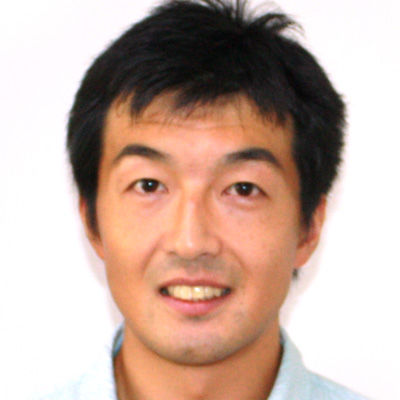
| Degree | Ph.D. |
|---|---|
| Research Field | Geoenvironmental Studies |
| Research Topics | Geoenvironmental science, environmental chemistry |
| yhashim (insert @ here) cc.tuat.ac.jp |
We analyze nutrients and harmful elements in soil at the molecular level and study the chemical state in which they exist. In order for plants and microorganisms to take up elements from soil, the elements must be dissolved in the soil, and the chemical state of the element determines how easily they dissolve. For example, arsenic, a known harmful metal, is more mobile in the environment and more toxic when it exists in the chemical state of trivalent "arsenous acid" than in the chemical state of pentavalent "arsenic acid". Understanding the chemical state of elements will lead to elucidation of the mechanisms of toxicity and absorption in organisms and the environment. We analyze the state of elements in soil and water at the molecular level to study the dynamics of elements in the environment, and to develop environmental remediation technologies and high-performance fertilizers that are easily absorbed by plants.
Associate Professor Itsuo Hanasaki
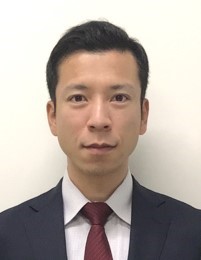
| Degree | Doctor of Engineering |
|---|---|
| Research Field | Nonlinear and non-equilibrium systems |
| Research Topics | Flexible behavior of materials and objects based on statistical mechanics and mechanical systems |
| hanasaki (insert @ here) cc.tuat.ac.jp |
He conducts cross-disciplinary research based on cutting-edge mechanical engineering, mainly from the perspective of nonlinear dynamical systems and non-equilibrium statistical mechanics. Specific subjects often deal with phenomena related to soft matter and nanotechnology, including the engineering application of fluctuation thermodynamics. In addition, from the abstract concept of creating ordered structures in fluids, he has realized a technology that can draw 3D images in beverages through industry-academia collaboration. These are also trans-scale applied mechanics that foresee the hierarchical nature of phenomena that become apparent depending on the resolution of time and space, from the molecular level to the visible scale. The pursuit of flexible dynamics has led to the realization of soft robotics and intelligent responses that utilize the properties of materials.
Yosuke Fukuya Associate Professor
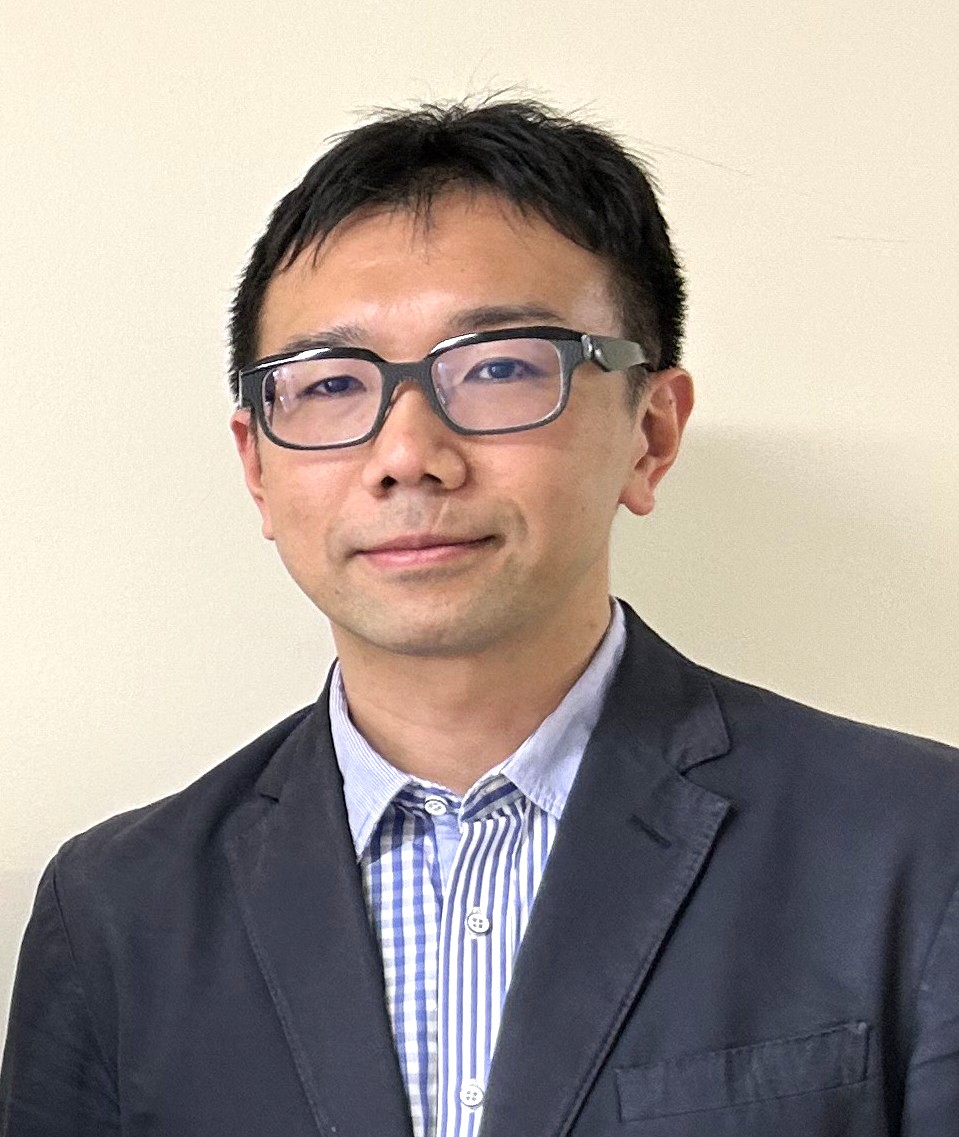
| Degree | Doctor of Engineering |
|---|---|
| Research Field | Chemoreception, sensory control, biotechnology |
| Research Topics | Elucidating the mechanisms of olfaction in living organisms and applying them to perceptual control |
| fukutani (insert @ here) cc.tuat.ac.jp |
We are elucidating the mechanisms of the sophisticated chemoreception mechanisms of living organisms at the molecular and cellular levels, and applying the knowledge gained to the control of perception and the development of artificial biosensors.
In particular, the sense of smell, which recognizes odor molecules in the environment with high sensitivity and selectivity, is one of the important chemical senses that allows living organisms to understand the outside world. Despite this, the relationship between molecular structure and how we perceive odors has yet to be fully elucidated. We utilize a variety of methods, from the analysis of purified proteins to animal behavioral tests and human sensory evaluation tests, with the aim of comprehensively understanding and designing the processes from molecular recognition to perception and physiological responses using bioengineering.
Hiroki Yamada Associate Professor
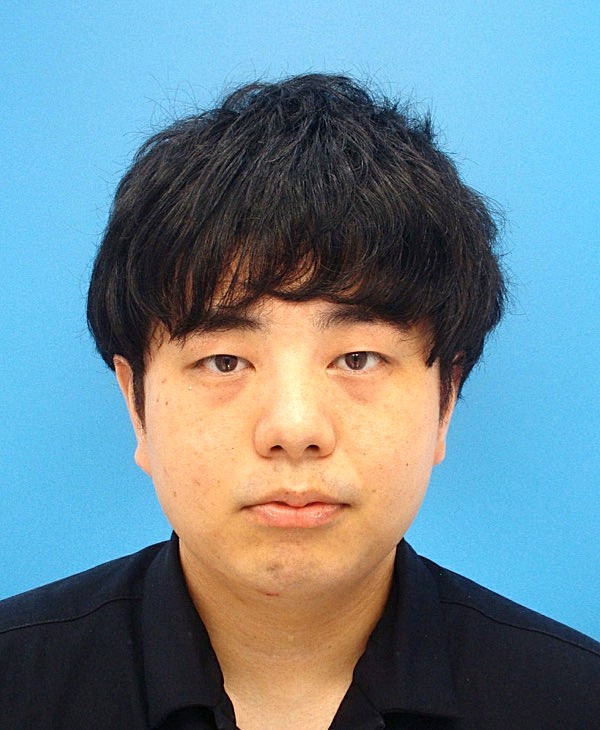
| Degree | Doctor of Engineering |
|---|---|
| Research Field | Signal processing, machine learning, image processing |
| Research Topics | Graph signal processing and machine learning, Computational imaging, Diffraction imaging |
| k-yamada (insert @ here) go.tuat.ac.jp |
Based on techniques from signal processing, machine learning, and mathematical statistics, we are researching AI for Science (AI for Science) to support scientific discovery and address various real-world problems. Data-driven approaches are becoming increasingly important in many fields of natural science, and we aim to combine theoretical frameworks with practical applications. In particular, we focus on the analysis of graph-structured data (graph data analysis) and develop analytical techniques that explicitly consider the relationships between complex objects. This aims to reveal structural features and dependencies that are often overlooked by conventional methods, leading to new insights. From the perspective of measurement informatics, we are also working on research that combines information science with measurement technologies such as coherent diffraction imaging. Through research on high-precision analysis of experimental data and optimization of measurement methods themselves, we aim to build a next-generation scientific research infrastructure.
Senior Assistant Professors
Senior Assistant Professor Miyuki Tabata
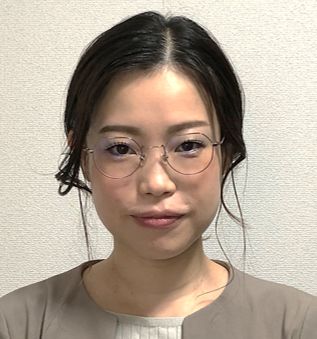
| Degree | Doctor of Engineering |
|---|---|
| Research Field | Bioelectronics |
| Research Topics | Biosensors, electrochemistry, interface science |
| tabata-bsr (insert @ here) go.tuat.ac.jp |
In addition to the background of increasing interest in longevity and health, the establishment of treatments for rare and intractable diseases is also important to society, and there are hopes for the development of test methods and small diagnostic devices that can specifically detect diseases. Liquid biopsy has particularly attracted attention in precision medicine for cancer. Aiming to develop a liquid biopsy platform that can be easily used by non-medical professionals, we are working on the creation of biosensors that measure biomolecules electrochemically by combining medical/life science knowledge with semiconductor technology. Our goal is to create devices that solve the issues facing a society of healthy longevity, and by combining them with information and communication technologies, we will promote the construction of a new social infrastructure in a smart society.