
Department of Biomedical Engineering Researcher Introduction
We would like to introduce some of the researchers in Faculty of Engineering Department of Biomedical Engineering.
Tabata Miyuki Laboratory
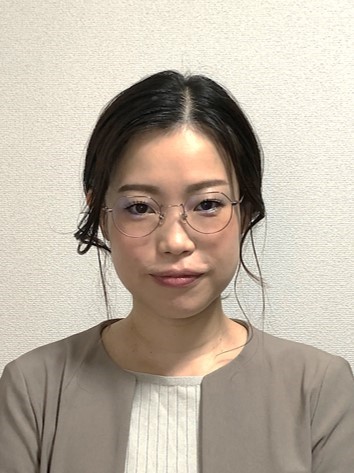
Nucleic acids and cells circulating in the blood are useful biomarkers for health monitoring and disease diagnosis. We are working on the development of biosensors that electrochemically detect biomolecules, aiming to develop small point-of-care testing devices that will be useful in precision medicine.
Tabata Miyuki Laboratory
Yuki Akagi Laboratory
Based on chemical and materials engineering, we are developing smart materials that address unmet medical needs in collaboration with not only engineering but also medicine and pharmacology. For example, we will conduct research into materials that, when combined with physical energy such as light and ultrasound, which are less harmful to the body, will enable more efficient diagnosis and treatment of diseases.
Masataka Yamamoto Laboratory
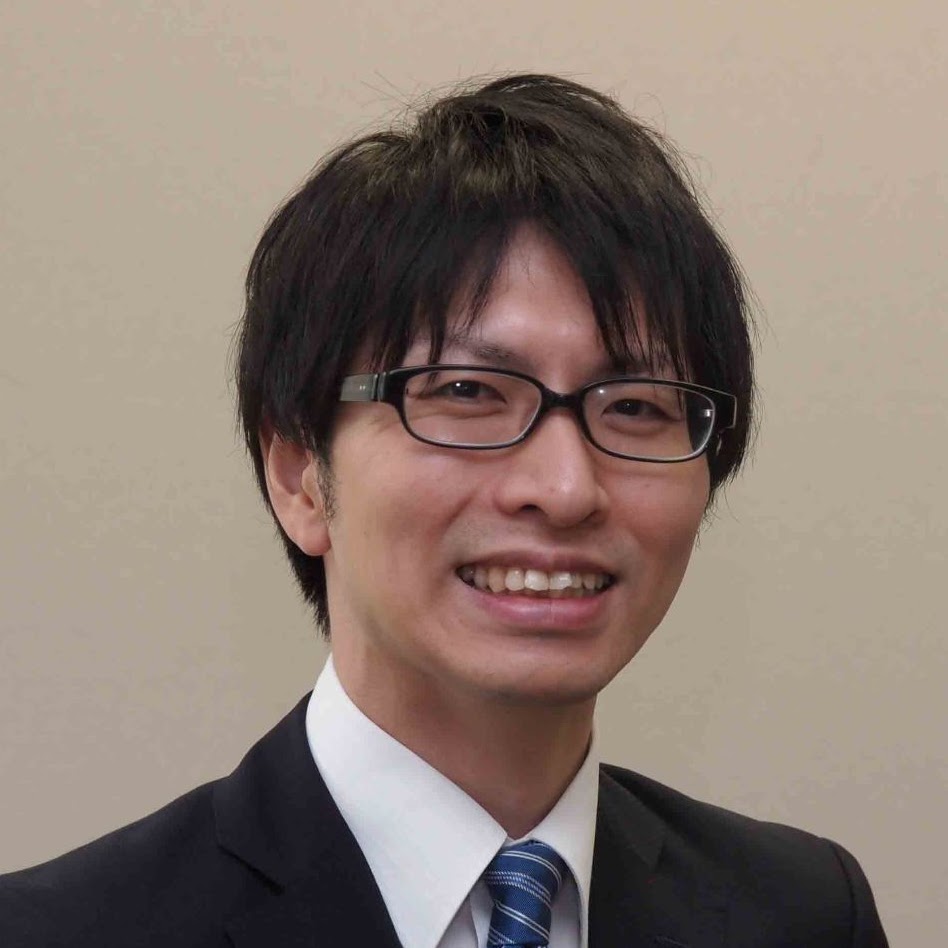
We aim to realize a system that evaluates physical function from human movement information and provides effective treatment. In collaboration with medical institutions and medical researchers, we are developing 3D movement analysis and physical function prediction from video using machine learning, as well as wearable training devices with high therapeutic effects.
Yamagishi Kento Laboratory
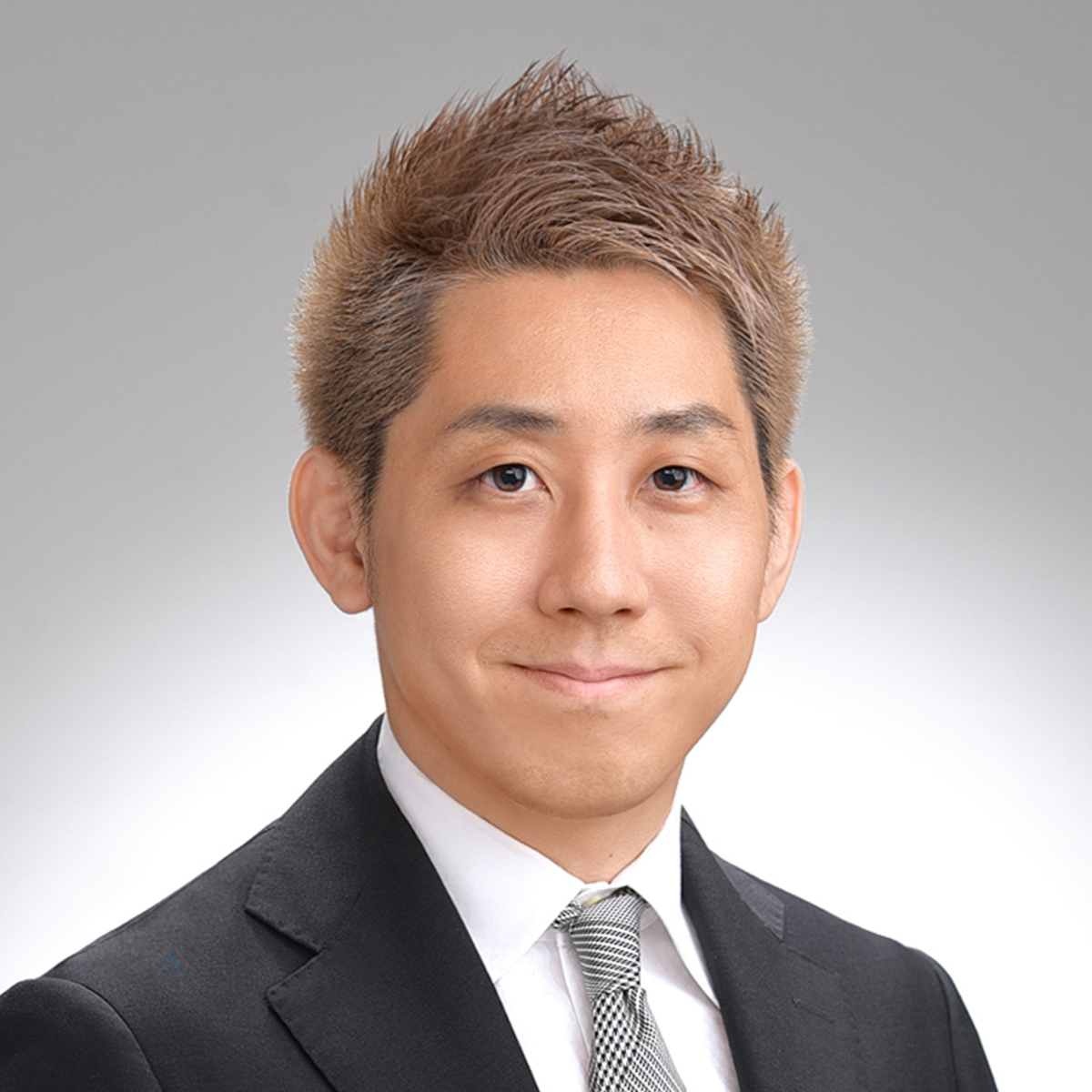
We are developing ultra-thin electronic devices using ultra-thin polymer and elastomer films (thickness: several hundred nm to several μm) as a substrate. Based on nanosheet electrodes and flexible devices that can adhere comfortably to the skin and organ surfaces, we are building biosignal measurement and biofunction control systems that combine wireless power supply and communication technologies, with the aim of applying these to the fields of medical diagnosis, cancer treatment, sports, and healthcare.
Daisuke Yoshino Laboratory
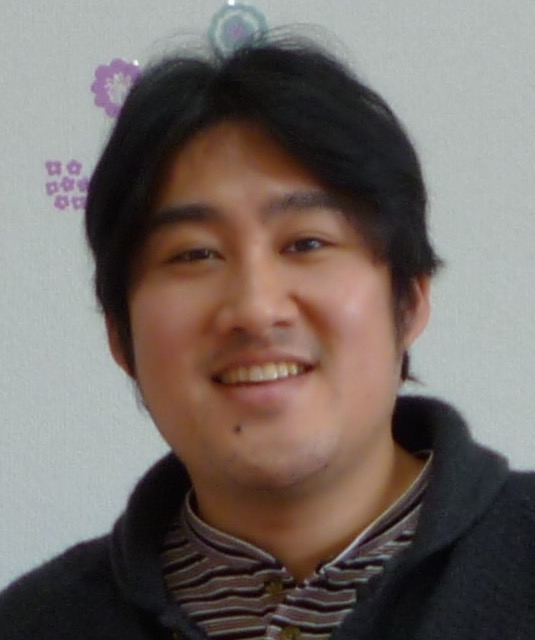
We treat cells as a single physical system and are working to elucidate the mechanisms of cellular response to various mechanical stimuli that occur within the body. We are conducting research to clarify the causes of disease onset and progression based on mechanical responses at the cellular level, and to utilize the results in the design and development of medical technologies.
Terumasa Ito Laboratory
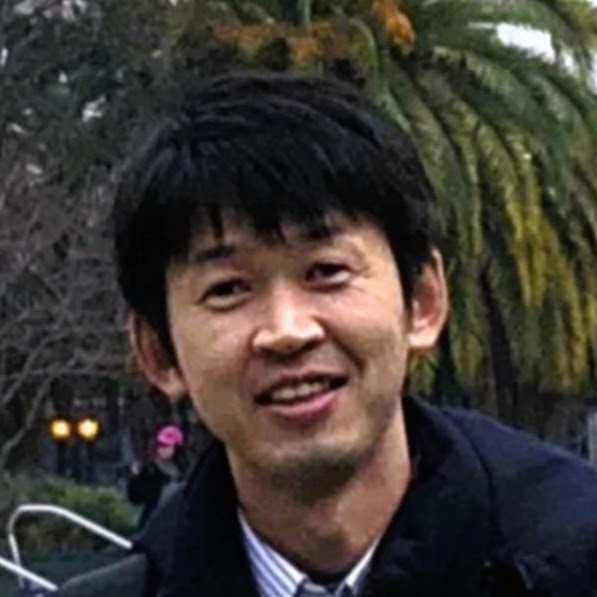
We are conducting research and development into new optical imaging and spectroscopy methods that utilize techniques for spatially and temporally controlling light to analyze the properties of small molecules, and also applying these techniques to research into the dynamics and actions of biologically active molecules and drugs in biological tissues.
Koji Masuda Laboratory
We are developing non-invasive diagnostic and treatment methods using ultrasound. We apply "waves," knowledge of physics and electrical and electronic engineering, to medical treatment. In collaboration with medical researchers, we are developing a wide range of research themes, such as verifying the biological effects of ultrasound and extracting information using image processing and machine learning.
Nishidate Izumi Laboratory
We are theoretically and experimentally investigating new optical medical diagnostic methods to analyze spectroscopic information obtained from living organisms to evaluate and image daily health conditions, the presence or absence of diseases such as cancer, and brain activity and function while the organism is alive.
Kenji Ikushima Laboratory
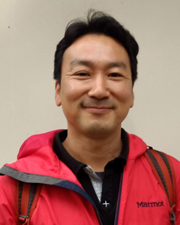
By combining advanced quantum technology with cutting-edge optical and acoustic technologies, we are pioneering innovative sensing technologies related to terahertz light (millimeter waves to infrared light) and ultrasound. We aim to visualize previously invisible information and apply it to various fields such as medical diagnosis and non-destructive industrial inspection.
Yoshihiro Murayama Laboratory
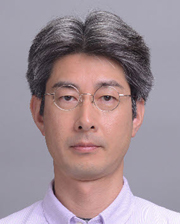
We are conducting research to clarify the relationship between the mechanical deformation of DNA and gene expression using light and magnetic fields, and research on the light response of microorganisms (green algae).Through research that elucidates the phenomenon of life from a physical perspective, we foster flexible imagination, which is essential for the development of innovative medical technologies.
Hiroshi Ishida Laboratory
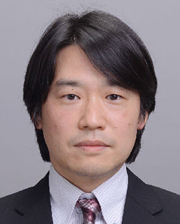
We are conducting research and development of robot systems that mimic living organisms. In particular, we are focusing on the sense of smell, and are conducting research aimed at elucidating the behavioral mechanisms of terrestrial and aquatic organisms that sniff around to find food. We are also applying the results of this research to the research and development of gas source detection robots, etc.
Akiyasu Yamamoto Laboratory
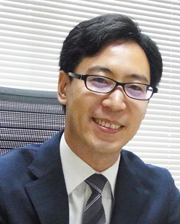
The zero electrical resistance property of superconductivity is applied to medical MRI, particle beam therapy, magnetic drug delivery and linear motor cars. Based on the materials science research of new high-temperature superconductors, we are working on the creation of new types of ultra-strong magnets and innovative magnetic devices.
Tanaka Yosuke Laboratory
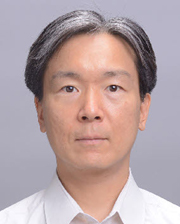
The main pillars of our research are (1) high-precision, simple laser measurement and (2) high-performance optical fiber sensors. The technology under development will be directly linked to the electrical and mechanical industries, as well as to health monitoring of infrastructure and living organisms, and will support the realization of a society in which people can live healthy lives with peace of mind through the early detection of small abnormalities.
Kenzo Maebashi Laboratory
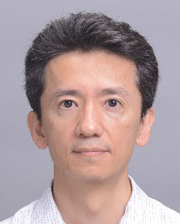
We aim to develop nanodevices that can measure and analyze complex biological systems in order to detect diseases early and realize a safe and secure society. We are particularly focusing on the microstructure and special conductive properties of graphene, and are conducting basic research into its fabrication techniques and materials, as well as the development of highly sensitive sensors.
Yasuhiro Takagi Laboratory
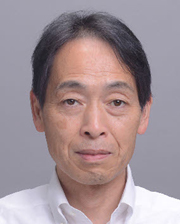
Three-dimensional images are currently used in endoscopic surgery and robotic surgery, but in the future they are expected to be applied to image diagnosis, molecular analysis, etc. In addition to the medical application of stereoscopic images, we are researching the realization of glasses-free stereoscopic television and holography, as well as the effects on the human body.
Yuichi Asai Laboratory
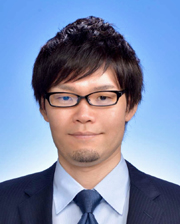
I am researching how the world of meanings and symbols (society, culture, environment) that surrounds us is created and transformed through language from the perspectives of cultural anthropology, linguistic anthropology, and semiotics. I am also conducting research on rituals and myths in the Fiji Islands in the South Pacific.