
Characteristics of Learning Faculty of Agriculture
We will introduce the characteristics of learning in Faculty of Agriculture.
Message from the Dean
Towards agricultural science that creates the future in harmony with nature.
The appeal of Faculty of Agriculture is that you can learn, think, and actually solve the complex and intertwined issues facing the world today, such as climate change, food security, biodiversity, and rural livelihood loss.
Tokyo University of Agriculture and Technology Faculty of Agriculture develops world-leading research and education while going back and forth between theory and practice, such as fields such as the vast experimental fields of the Fuchu Campus, training forests in various parts of the Kanto region, cutting-edge data science and analysis technology, and integration with engineering fields. We are also working on topics directly related to society, such as coexistence with wild animals, measures against zoonotic diseases, and the problem of microplastics, and are creating new value for agriculture from Japan to the world in collaboration with overseas universities and research institutes, and our achievements are highly regarded as the first in Japan (41st in the world) in the field of agriculture and forestry in the 2026 QS World University Rankings.
We are looking forward to welcoming our colleagues who will develop cutting-edge agricultural research from Tokyo University of Agriculture and Technology Faculty of Agriculture to society and into the future.
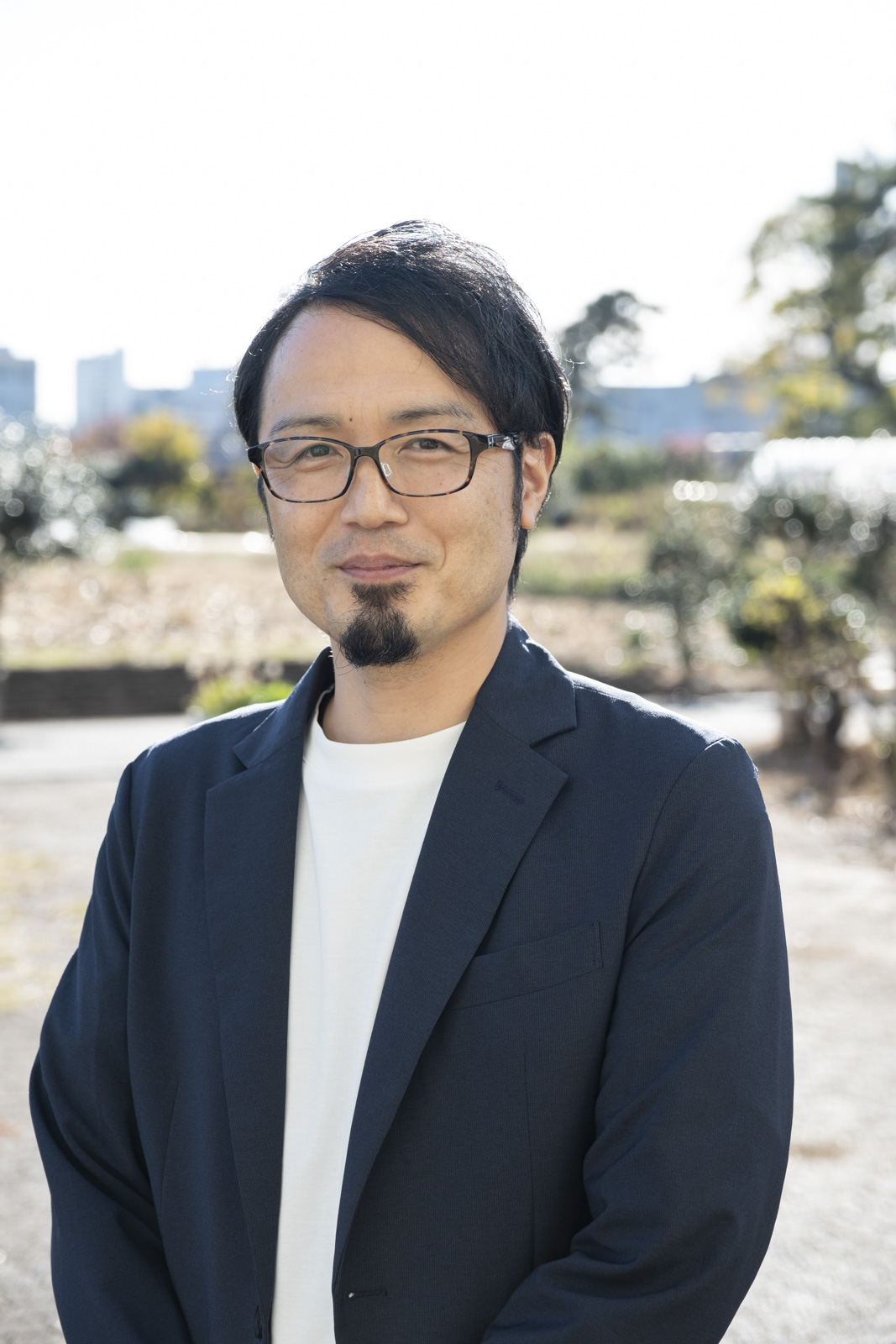
Faculty of Agriculture Chief Makoto Yoshida
Admission Policy (Student Acceptance Policy)
| Faculty of Agriculture seeks students who aim to contribute to society through agriscience, bioscience, and ecoscience. |
|---|
Purpose and Characteristics of Learning
Faculty of Agriculture aims to cultivate talented individuals with outstanding abilities by imparting broad knowledge, Professor specialized academic subjects, and developing intellectual, moral, and applied abilities in order to contribute to solving problems in the fields of agriculture, life science, environmental science, and veterinary medicine and to creating a sustainable society.
4-year Learning Flow (Curriculum)
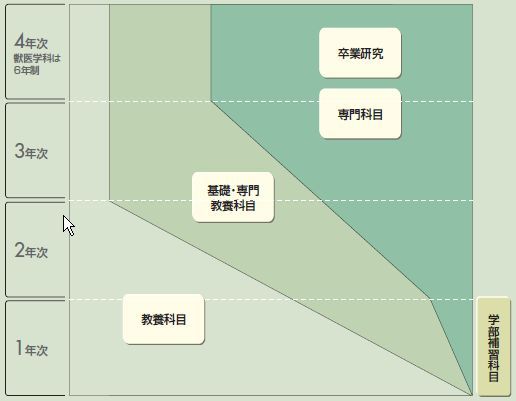
The curriculum places emphasis on specialized science and technology in a wide range of fields and is broadly divided into liberal arts courses and specialized courses. The liberal arts courses aim to cultivate a rich humanity while honing the foundations for future specialization.
The department's specialized subjects include lectures and experiments/practical courses that highlight the characteristics of each department, providing detailed and specialized education. The veterinary medicine department is a six-year program, while the other departments are four-year programs, and all students work on a graduation thesis in their final year. In addition, remedial education is provided for students who did not take physics, chemistry, or biology in high school.
Education and Research Fields of Each Department in the Faculty of Agriculture
| Departments | Education and Research Category | Education and Research Field |
|---|---|---|
| Department of Biological Production | Production Environment | Soil Science, Plant Nutrition, Agricultural Production Technology, International Bioresources |
| Plant Production | Crop Science, Horticulture, Plant Breeding, Genetic Engineering | |
| Animal Production | Animal Husbandry, Silkworm Science, Insect Functional Physiology, Animal Biochemistry | |
| Agricultural Economics | Agricultural Economics, Agricultural Management and Production Organization, Agricultural Marketing, International Regional Development | |
| Department of Applied Biological Science | Molecular Biochemistry | Biochemistry, Gene Function Regulation, Fermentation, Genetic Engineering, Plant Engineering, Animal Cell Biology, Health and Longevity Science |
| Biofunctional Chemistry | Biocontrol Chemistry, Bioorganic Chemistry, Food Chemistry, Applied Plant Biochemistry, Nutritional Physiology, Applied Protein Chemistry, Food Function | |
| Biological Control | Plant Pathology Applied Entomology Applied Genetic Ecology Cellular and Molecular Biology Correlative Molecular Biology Molecular and Environmental Biology | |
| Department of Environmental and Natural Resource Sciences | Environmental Resource Science | Environmental pollution analysis, Biosphere change analysis, Environmental restoration, Environmental material science, Plant environment, Living environment, Biomass recycling |
| Department of Ecoregion Science | Ecosystem Conservation | Landscape Ecology Wildlife Conservation Management Vegetation Management Soil Ecology Management Health Amenity Science |
| Forest Science | Forest Soil Science, Tree Physiological Ecology, Forest Biological Conservation, Forest Hydrology, Forest Environmental Engineering, Forest-Human Systems Science, Forest Planning, Forest Utilization Systems, Forest Resource Management, Forest-Aquatic Ecology | |
| Agricultural Environmental Engineering | Water Resources Planning, Production Environment Control, Facility Structural Engineering, Soil and Water Environment Engineering, Rural Regional Planning, Regional Spatial Information Science, Water Environment Conservation, Pesticide Dynamics | |
| Coexistence and Sustainable Society | Environmental Philosophy, Environmental Ethics, Environmental Cultural History, Rural Sociology, Environmental Public Law, Environmental Information Science, Environmental Education, Coexistence and Welfare, Environmental Community Studies, International Bioresource Studies, Arid Land Environment and Agriculture |
| Departments | Education and Research Field |
|---|---|
| Cooperative Department of Veterinary Medicine | Veterinary Anatomy, Veterinary Physiology, Veterinary Pharmacology, Veterinary Pathology, Veterinary Microbiology, Animal Behavior, Veterinary Hygiene, Veterinary Infectious Diseases, Veterinary Public Health, Veterinary Toxicology, Veterinary Internal Medicine, Veterinary Molecular Pathology, Veterinary Surgery, Veterinary Diagnostic Imaging, Veterinary Clinical Therapy, Veterinary Clinical Oncology, Comparative Animal Medicine |